In season当季Japanese日式
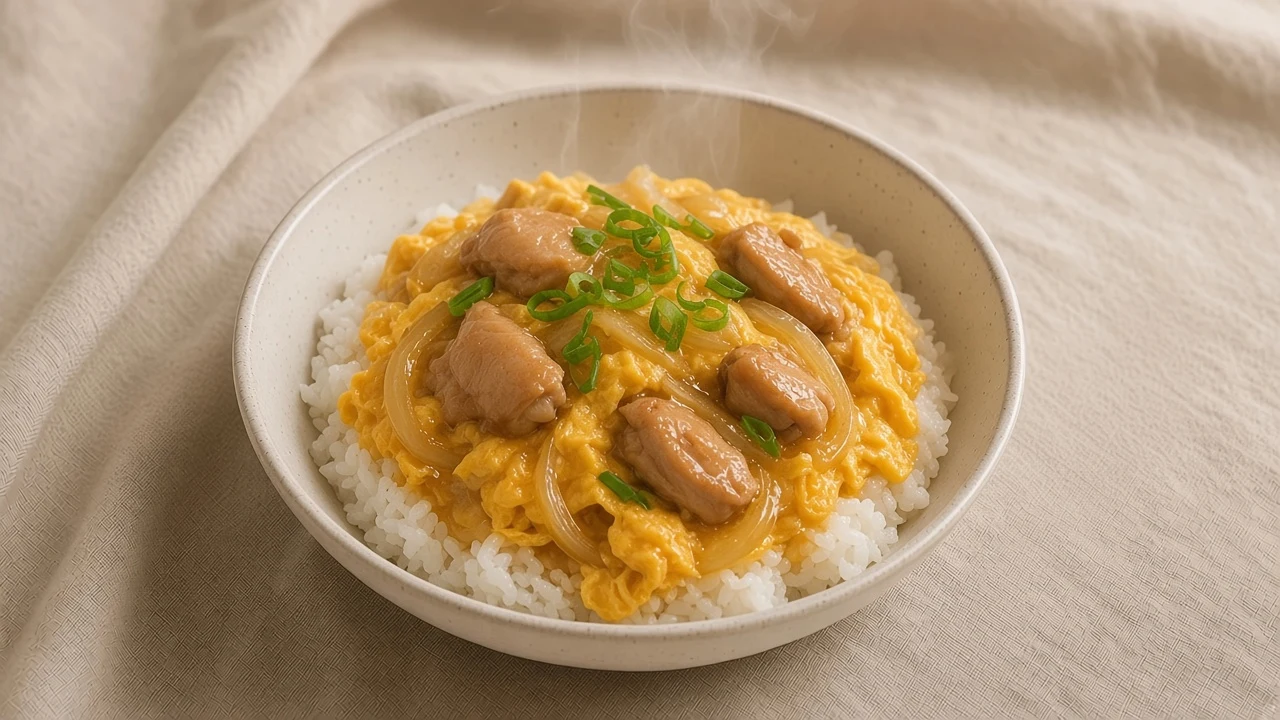
Oyakodon (Chicken & Egg Rice Bowl)亲子丼(鸡肉鸡蛋盖饭)
Chicken, onions and tender egg in savory-sweet dashi over rice. This beginner version cooks the egg fully rather than leaving it runny.鸡肉、洋葱与鸡蛋在咸甜出汁中同煮,盖在米饭上;新手版把鸡蛋煮至全熟,不留流心。
BEGINNER FIELD GUIDE新手做饭说明书
 Before you turn on the heat先备齐,再开火
 Wash hands & produce洗手、洗菜洗手、洗菜Lava manos y verduras손·채소 씻기
 Keep raw meat apart生熟分开生熟分開Lo crudo, aparte날것은 따로
 Measure first先量好先量好Mide antes먼저 계량
- Thinly slice the onion and scallion. Cut chicken into ¾-inch / 2-cm pieces on a separate board; beat eggs in a clean bowl. Mix dashi, soy, mirin and sugar.洋葱切薄片、葱切圈。另用生肉砧板把鸡肉切成¾英寸/2厘米块;用干净碗打散鸡蛋。混合出汁、酱油、味醂与糖。
- The timing uses rice that is already cooked. Warm it according to its package while the main cooks; cooking rice from dry adds time. Do not use rice left unrefrigerated for hours.本页时间使用已熟米饭,做主菜时按包装加热;从生米煮饭需另加时间。不要用在室温放了几小时的饭。
Written for 2 servings · cooking more? Use batches按 2 人份写 · 加量请分批按 2 人份寫 · 加量請分批Para 2 porciones · si haces más, por tandas2인분 기준 · 늘리면 나눠 조리
Full safety & prep notes完整安全与备料说明完整安全與備料說明Notas completas de seguridad안전·준비 전체 안내
These instructions use the base recipe: 2 servings. Scaling ingredients does not scale pan size or cooking time. Use batches and verify the stated checkpoints.以下按原方2人份写。改变份量不会自动改变锅大小或烹饪时间;增加份量请分批,并核对每步判断点。
- Wash hands; rinse fresh produce under running water and dry it. Keep raw meat or fish separate; do not wash raw poultry.洗手;蔬果用流水洗净并擦干。生肉、生鱼与即食食物分开,不冲洗生鸡肉。
- Measure the ingredient list before heating. Dashi means prepared liquid stock, not a spoonful of powder. Use instant dashi according to its label; drinking water mentioned separately is additional.开火前按清单量好食材。出汁指已调好的液体高汤,不是一勺粉末;速溶出汁按包装兑水。另提到的饮用水需额外备好。
Ingredients食材
- Boneless chicken thighs去骨鸡腿肉12 oz盎司
- Yellow onion黄洋葱0.5
- Eggs鸡蛋3 large个大的
- Prepared dashi stock (liquid, not powder)已调好的出汁高汤(液体,非粉末)0.75 cup杯
- Soy sauce酱油1.5 tbsp大勺
- Mirin味醂1.5 tbsp大勺
- Sugar白糖1 tsp小勺
- Cooked Japanese short-grain white rice熟日式短粒白米饭2 cups杯
- Scallion葱1
Method做法
Put the onion and the mixed dashi sauce into a skillet with a lid. Bring it to a simmer, then keep it at a gentle bubble.
洋葱和调好的出汁酱放进带盖平底锅,煮开后转成轻轻冒泡的状态。
The onion bends easily and starts to look translucent.洋葱变软、开始半透明。
Common mistake & quick fix容易错在哪,怎么补救
Keep small, steady bubbles, not a fierce boil. If liquid runs low before the food is tender, add a little hot water.保持轻轻冒泡,别大滚;食材没软而汤快干时,补少量热水。
Lay the chicken in a single layer, cover, and simmer, turning the pieces once halfway through.
鸡肉铺成单层,盖上盖轻煮,中途把鸡块翻一次面。
The chicken is cooked through and the sauce still pools around it.鸡肉已熟,锅中仍有少量汤汁。
Common mistake & quick fix容易错在哪,怎么补救
If browned outside but below 165°F (74°C) inside, lower the heat, cover briefly and recheck with a clean food thermometer.外面上色而里面未到165°F (74°C)时,调小火稍盖锅,再用干净食品温度计测温。
Pour the beaten egg evenly around the chicken and scatter the scallion over the top. Cover and cook until the egg is fully set.
蛋液均匀淋在鸡肉周围,撒上葱,盖上盖煮到蛋完全凝固。
No liquid egg remains, but the egg is still soft.不再有流动蛋液,口感仍柔软。
Common mistake & quick fix容易错在哪,怎么补救
If the egg is still wet or runny inside, cover over low heat and continue until set and 160°F (71°C).蛋心仍湿或流动时,盖锅小火继续加热至凝固、中心160°F (71°C)。
Warm the cooked rice following the package, divide it between 2 bowls, and spoon the chicken, egg, and a little sauce on top.
熟米饭按包装热好,分到2只碗里,把鸡肉、鸡蛋和少量汤汁浇在饭上。
Common mistake & quick fix容易错在哪,怎么补救
Leftovers: into the fridge within 2 hours (1 hour on a hot 90°F+ day), eat within 3 days, and reheat to 165°F (74°C).吃不完的2小时内放冰箱(天热超90°F就1小时内),3天内吃完,回热要热到165°F (74°C)。
Know your ingredients认识食材
Ingredients explained食材讲解
 Yellow onion黄洋葱
Flavor base of most savory cooking. Yellow for cooking, red raw. Firm, dry skins = fresh.咸味菜的底味。黄洋葱做菜,紫洋葱生吃。外皮干、紧实为新鲜。
 Eggs鸡蛋
Cheap complete protein. Older eggs peel easier; room-temp eggs bake and whip better.便宜的完全蛋白。放几天的蛋好剥壳;回温的蛋烘焙打发更好。
 Soy sauce酱油
Umami and salt in one. Low-sodium versions cut ~40% salt.鲜和咸一次到位。低钠款少约四成盐。
 Sugar白糖
A little sugar balances salt and acidity; add gradually and taste as you go.少量糖能平衡咸和酸;分次加,边尝边调。
 Scallions葱
Whites for cooking, greens for garnish. Regrow roots in a glass of water.葱白下锅,葱绿点缀。根泡水能再长。
Cookware厨具
 Skillet with lid, small pot, colander, knife, board, measuring tools and food thermometer带盖平底锅、小锅、漏篮、刀、砧板、量具与食品温度计
Make it a balanced meal营养搭配建议
Chicken and egg supply protein; rice supplies starch. Add sunomono or sesame spinach for a vegetable side.鸡肉与蛋提供蛋白质,米饭是主食;配黄瓜裙带菜沙拉或芝麻菠菜补蔬菜。
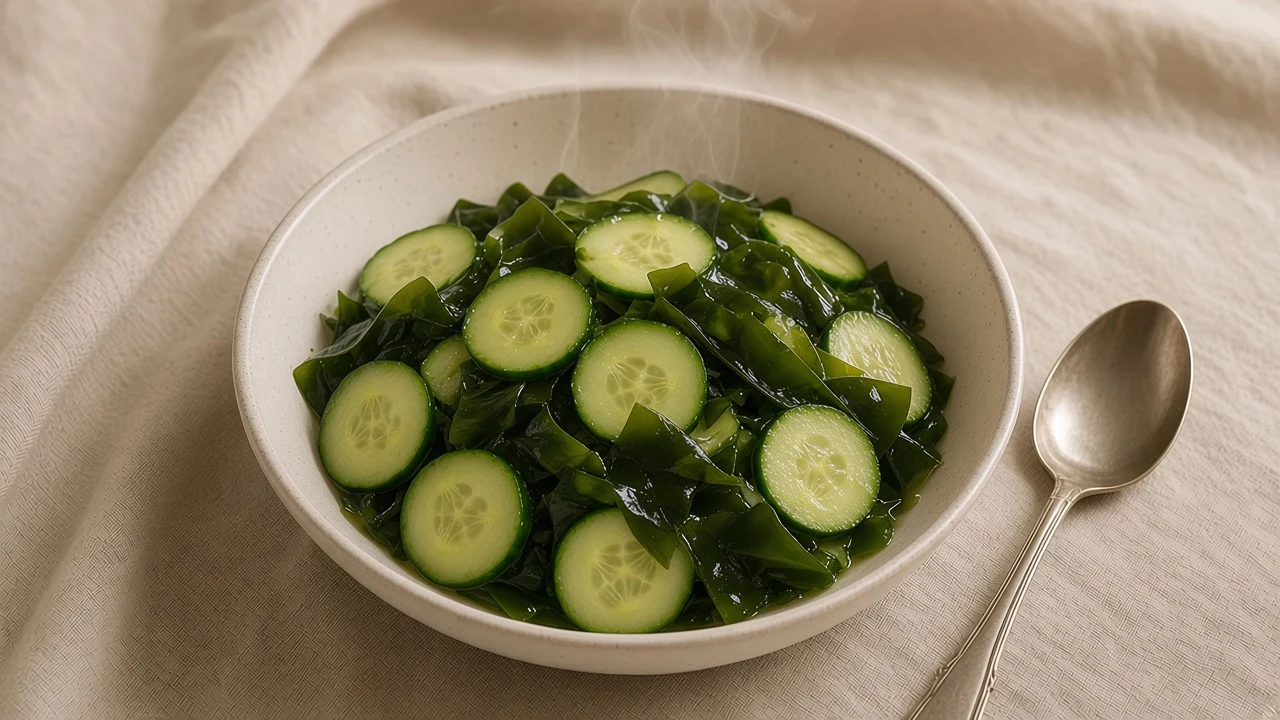
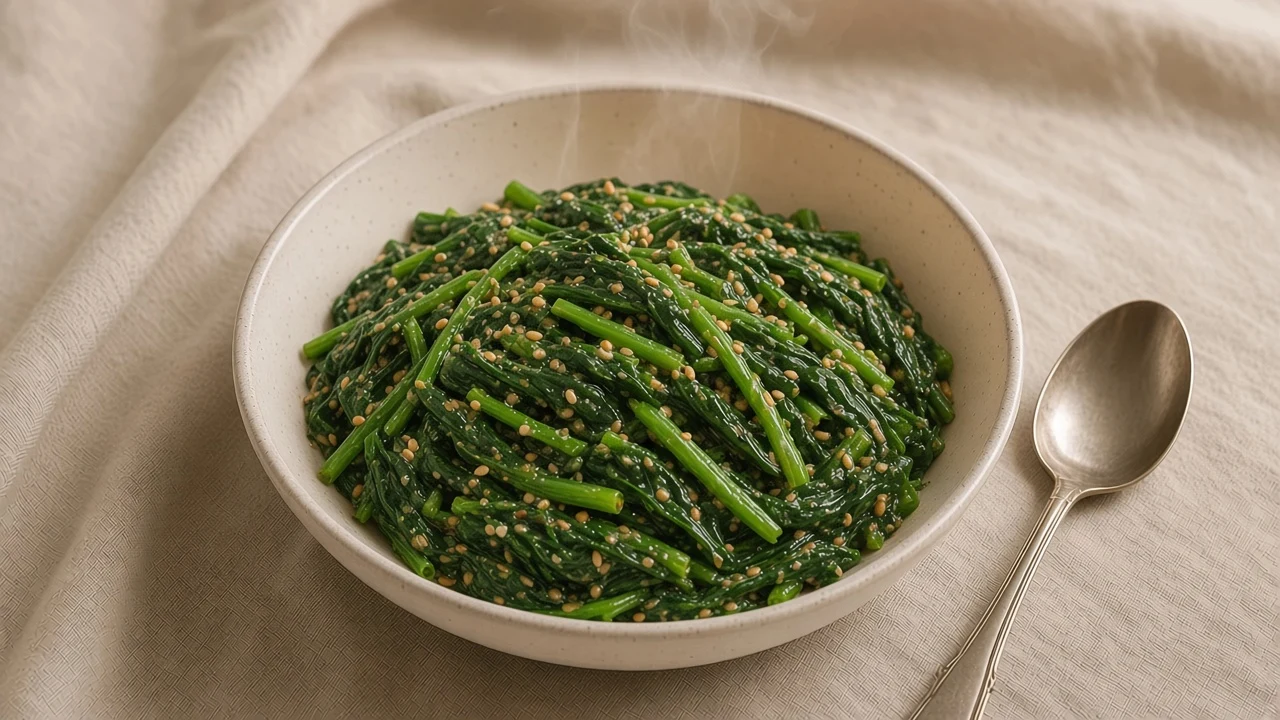
Why it works: aim for half the plate vegetables, a quarter protein, a quarter whole grains or starch — then let one rich dish be the star.搭配思路:半盘蔬菜、四分之一蛋白、四分之一主食;一桌里只让一道浓郁的菜当主角。
Dowei Kitchen original本站专属