
Ingredient encyclopedia
Almonds
Native to southwestern Asia; the edible almond is a seed, commonly sold sliced for cooking.
Cook it tonight ↓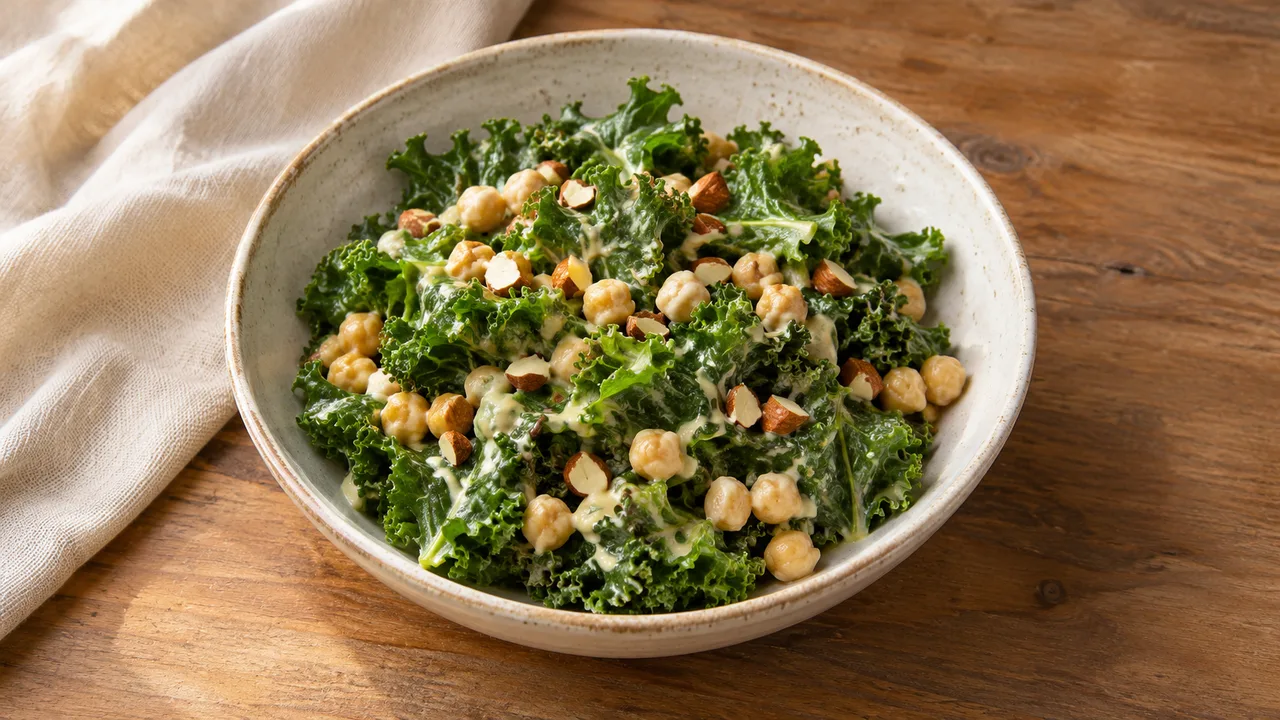
US season & availability
US nuts are generally harvested in fall, then sold stored throughout the year.
How to choose
Choose sweet culinary almonds; avoid rancid or musty-smelling nuts.
How to store
Seal airtight; refrigerate or freeze for longer freshness and to slow rancidity.
Prep with confidence
Toast gently and move often; thin slices can burn quickly. Contains tree nuts.
Nutrition reference · per 100 g
Food form in this reference: Unroasted edible kernels
Values are for 100 g of the USDA reference food named below, not a serving or the recipe shown. Raw/cooked state, edible portion, variety and brand matter. Missing values are omitted, never treated as zero.
100 g is a comparison basis, not a suggested portion — especially for salt, oil, spices and sweeteners.
- Protein
- 21.15 g
- Fiber
- 12.5 g
- Fat
- 49.93 g
- Carbohydrate
- 21.55 g
- Energy
- 579 kcal
- Sodium
- 1 mg
More reported vitamins & minerals
- Iron
- 3.71 mg
- Calcium
- 269 mg
- Potassium
- 733 mg
- Vitamin C
- 0 mg
- Vitamin A (RAE)
- 0 µg RAE
USDA reference food (original record): Nuts, almonds
USDA FoodData Central · SR Legacy · FDC ID 170567 · 100 g
Cook it tonight
Every recipe below lists this ingredient. Read the recipe for its exact form, amount, equipment and allergens.
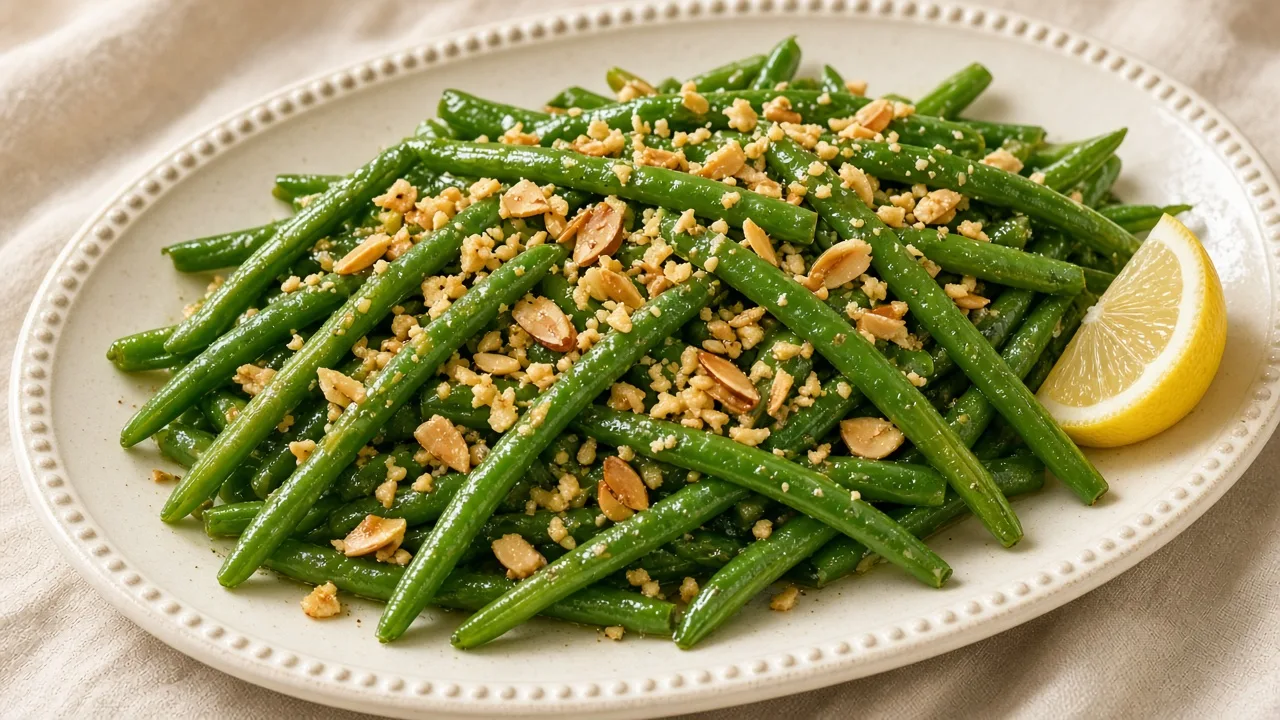
Garlic Green Beans
45 min · Original servings: 6
Open recipe →Kale & Chickpea Creamy Crunch
20 min · Original servings: 2
Open recipe →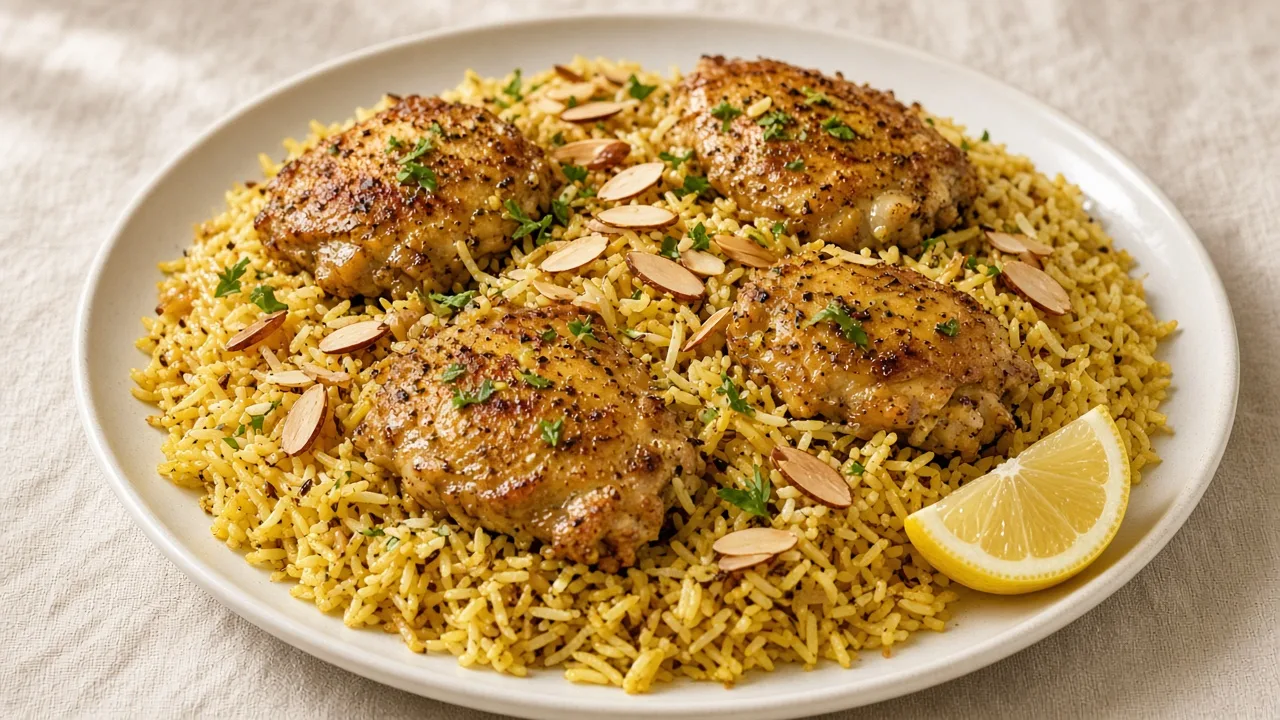
One-Pot Spiced Chicken & Rice
60 min · Original servings: 4
Open recipe →Put a table together
A slow Sunday, an autumn table
Sweet mustard and roasted vegetables bring warmth; lemony beans and almonds add crunch. Apple and cinnamon finish the meal without another rich sauce.
A menu suggestion, not a single recipe. Each dish keeps its own yield and cooking instructions.